We’ve all been there. You spend hours curating a perfect collection—the artisanal coffee blend, the expensive bottle of scotch, the perfectly weighted pocket knife—and you finally hand it over with a flourish. The look on his face is pleasant, maybe even appreciative, but deep down, you feel that familiar little pang of doubt: Did I make this feel special?
In a world overflowing with "perfectly curated" subscription boxes and mass-market gift sets, the biggest challenge isn't finding something nice; it’s making it feel unrepeatable. It’s about moving past the transaction—the exchange of money for an item—and into the realm of shared memory.
If you’re planning a Father’s Day hamper, or any thoughtful gift for a man who seems to have everything, stop thinking about what category the item belongs in (grooming, tech, beverage). Instead, think about him. What is his history? What makes him laugh until he snorts? The secret sauce isn't expensive; it’s specific.
Shifting Focus: From "What" to "Why"
The most crucial step in gifting is a mental realignment. We tend to treat gift-giving like solving a puzzle where the answer is found on Amazon. Instead, approach it like archaeology. You aren't digging for products; you are excavating shared history.
Think back over the last year. When was he genuinely relaxed? Was it when you were both watching old sports footage and arguing about who used to be better at baseball? Was it a quiet Saturday morning spent working on his car, only punctuated by terrible singing while waiting for the tools to cool down? These moments are your goldmine.
The key question isn't "What does he need?" but rather: "What do we share that reminds us of him?"
If you can answer that question—even vaguely—the gift structure will fall into place naturally.
The Art of the Curated Narrative (The Hamper Upgrade)
A hamper, by nature, is a beautiful collection of items. But most hampers are just random expensive things thrown together. A narrative hamper tells a story. It gives context to every item so that when he opens it, he isn't just receiving objects; he's walking through a themed experience you designed for him.
Instead of: "Whiskey Basket" Try: "The Great Escape Kit: For the Weekend Cabin Trip."
This immediately elevates the collection. Every piece must serve the story. Perhaps you pair the expensive single malt with gourmet smoked nuts, check here a map of a nearby hiking trail (even if he won't use it), and a personalized bookmark referencing an inside joke about getting lost. The items become props in your shared memory.
Three Story-Driven Hamper Ideas:
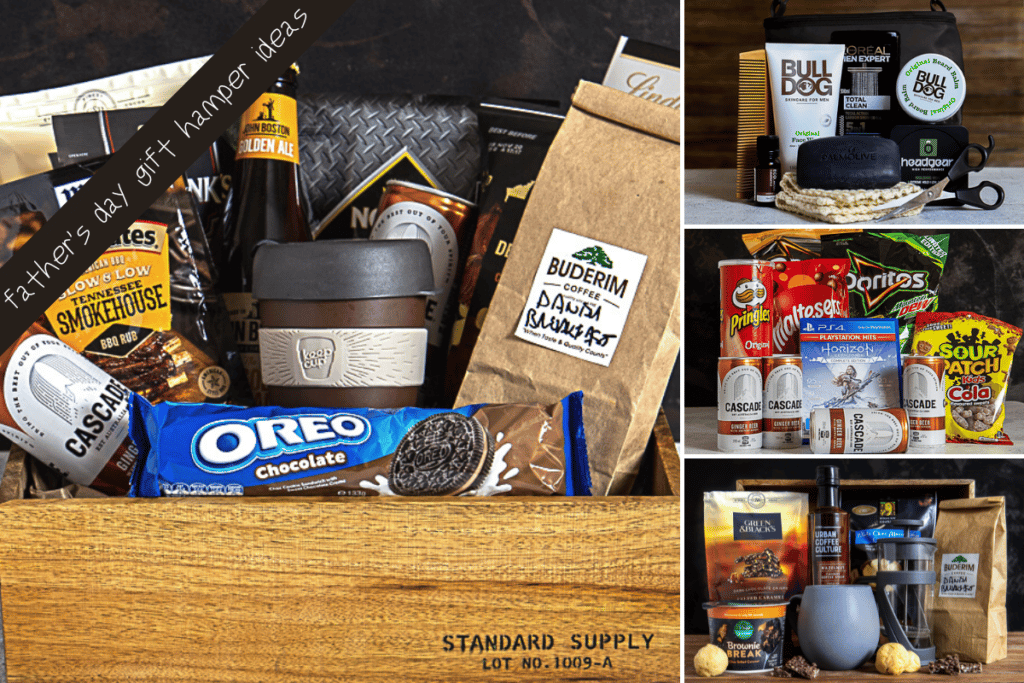
- The "Dad Movie Night" Kit: Pair gourmet popcorn seasoning, two different types of craft beer that pair well with salty snacks, comfortable socks (the luxurious kind), and a vintage movie poster print related to his favorite genre. The "Desk Explorer" Kit: Focus on intellectual curiosity. Include a beautiful journal, a fountain pen refill cartridge (for the specific type of nib he likes), a local guidebook for a city you want to visit together, and high-quality tea bags paired with interesting conversation prompts. The "Craftsman’s Reprieve" Kit: If he loves fixing things or working with his hands, curate tools that complement his hobbies (e.g., specialized wood stain swabs, leather conditioner) alongside a dedicated playlist QR code leading to background music for his workbench—a sonic element that makes the gift feel complete.
Making Time the Most Precious Element
The most personal gifts often have nothing physical attached to them at all. They are promises of future attention or acknowledgments of past effort. When budget constraints loom, remember that time is the ultimate luxury commodity.
If you struggle with finding enough "stuff," focus on creating an experience using what you already own and time together. This could be a handwritten voucher promising "One Afternoon of No Questions Asked" (where you just let him talk about his work/hobbies), or a curated playlist that traces the soundtrack of your relationship.
(Anecdote Break) I once knew a friend whose father was retiring after 35 years in accounting. Everyone bought gadgets and expensive ties. But he Look at this website laughed when he opened a box containing nothing but five pages: letters from every coworker, filled with memories—from "Remember the time we spilled coffee all over the quarterly reports?" to "Good luck with that fishing trip!" The collective weight of those stories meant more than any gold watch could ever achieve.
The Final Polish: Intentional Details
Once you have your core items and narrative, you need the finishing touches—the little details that communicate effort without needing explanation. These are the non-obvious gestures:
- The Handwritten Card: Never default to a store-bought card. Your message should reference the contents of the hamper. Don't just say "Happy Father's Day." Say, "I hope this Scotch pairs perfectly with that terrible documentary we watched—it reminds me of the time you tried to make us dinner and set off the smoke alarm." The Memory Map: For a more ambitious touch, create a small card or photo collage marking locations significant to his life: where he proposed, where your favorite vacation was, the spot where he learned to drive. Use these markers as a centerpiece for the hamper. The Shared Ingredient: If you are giving an edible gift (like chocolates or coffee), include one single item that is yours. Maybe it’s a local jam recipe from your grandmother, or a specific blend of spices that reminds you both of a shared trip.
Remember this: "Thoughtfulness is not measured in cost, but in connection." This quote captures the truth we often forget when shopping for gifts. The gift isn't successful because it's beautiful; it's successful because it makes him feel seen. It communicates: "I know you. I pay attention to your specific brand of wonderful."
As you wrap up the wrapping paper, take a deep breath and look at the whole package—the items, the note, the story attached to it. You haven't just compiled gifts; you’ve constructed a tangible snapshot of his worth in your life. And that is always enough.