The world of luxury goods is built on aspiration, craftsmanship, and anticipation. When a customer opens an expensive timepiece, a designer handbag, or an artisanal piece of jewelry, they aren't just receiving an object; they are accepting a moment of refined pleasure. Yet, too often, the brilliance of the product is undermined by its vessel—the packaging. Generic boxes that scream "mass-produced" can act like a speed bump on the journey to delight. The good news? Solving this problem isn't about spending more money; it’s about rethinking the entire experience. This comprehensive guide will walk you through actionable, high-impact strategies detailing how to solve generic gift packaging problem for luxury goods, transforming mere wrapping into an unforgettable brand ritual.
Shifting from Container to Catalyst: Redefining Purpose
When we think of gift packaging, our minds often jump straight to the physical box—a simple receptacle designed to hold something valuable. However, a truly successful luxury package must function as a catalyst. It should excite the recipient before they even see the contents and anchor the brand's narrative in their mind long after the ribbons are cut. This requires a fundamental shift: viewing the packaging not as an accessory, but as Husband and Father an integral chapter of the product story itself. Do you really want your gift to be forgotten the moment it’s opened?
The Psychology of Unboxing Delight
The unboxing experience has become its own niche industry. Customers today are savvier than ever; they recognize when a brand is cutting corners on presentation. Solving the generic gift packaging problem starts with understanding human psychology—the joy of discovery, the tactile pleasure of quality materials, and the emotional weight of being cared for. The moment of opening must be orchestrated like a curtain rising on a stage performance.
- Sensory Anticipation: Every touchpoint—from the heft of the outer sleeve to the whisper of tissue paper—must build suspense. Emotional Connection: The packaging should communicate exclusivity and thought, making the recipient feel seen and valued. The Moment of Reveal: This moment must be dramatic, clean, and worthy of a photograph (and thus, social media sharing).
Design Strategies: From Cardboard to Canvas
To solve generic gift packaging problem for luxury goods, designers must move beyond simple rectangular boxes. The physical structure and materials themselves need to tell an elevated story. Think of the box not as a container, but as a blank canvas upon which your brand's artistry can be painted.
Material Innovation: Sustainability Meets Opulence
The choice of material is perhaps the most immediate way to elevate perceived value. Using standard matte black cardstock feels cheap next to bespoke alternatives. Luxury brands are increasingly embracing sustainability without sacrificing luxury feel. This means looking at materials that are beautiful and responsible.
Consider these upgrades over standard cardboard:
- Wood and Bamboo: Providing a substantial, organic feel (especially good for jewelry or grooming kits). Recycled Textiles: Using luxurious velvet linings or linen wraps instead of plastic foam. Seed Paper: Packaging that can be planted after use—a perfect metaphor for growth and longevity.
An anecdote I once heard from a high-end artisanal chocolatier was about switching their outer box material to compressed, pressed flower petals set in a sustainable pulp. The shift immediately elevated the perceived value; customers commented not just on the chocolate, but on the beauty of the packaging itself. This illustrates how materials can fundamentally change the narrative.
Structural Playfulness: Thinking Beyond the Cube
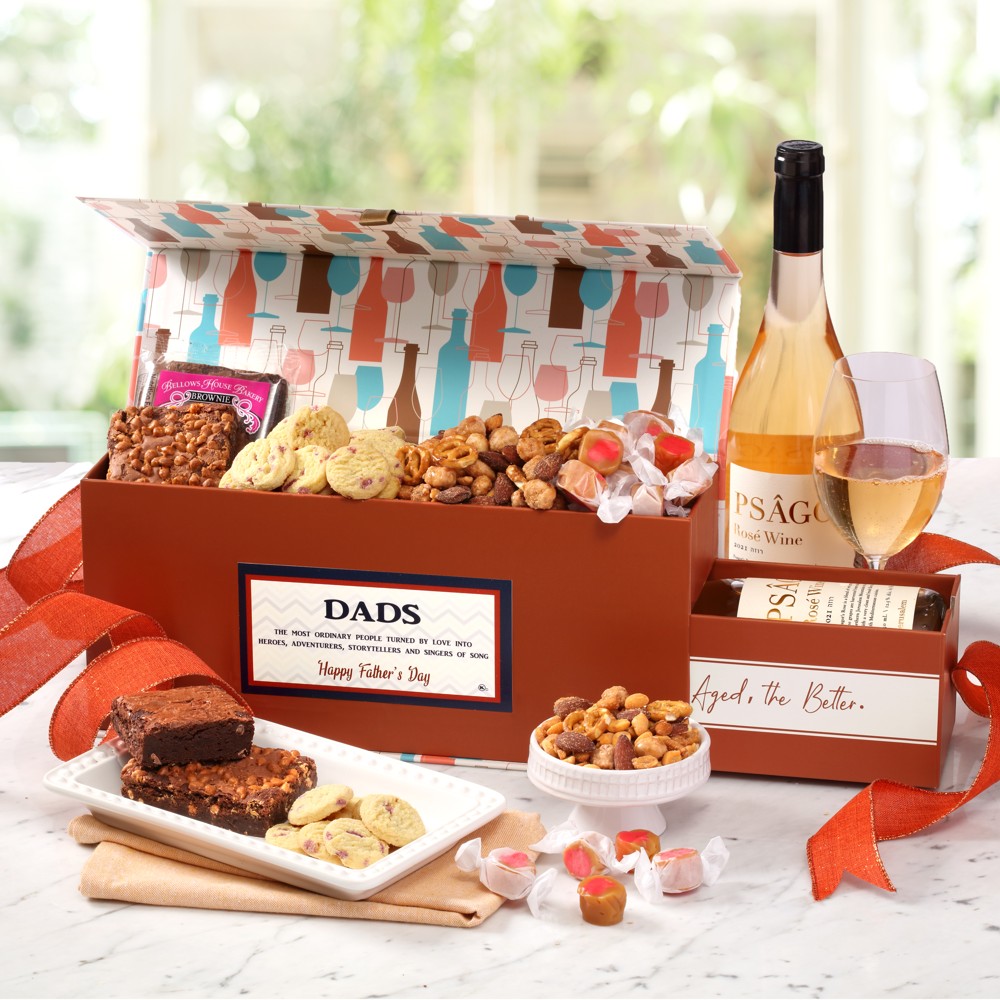
The most dramatic way to differentiate is through structure. If every competitor uses a simple lift-off lid box, why should you? The container needs personality. Consider kinetic elements—boxes that fold, slide, or require specific actions to open. This turns the process into a small, delightful puzzle. What if your packaging is part of the gift?
Rhetorical Question: Why settle for straight lines when nature offers so many more elegant geometries?
The Emotional Layer: Integrating Sensory Branding
True luxury is not merely visual; it is multi-sensory. If you can only spend money on one thing, make it the sensory experience. This means activating senses beyond sight—touch, smell, and even sound—to solidify a lasting brand memory. Solving generic gift packaging problem for luxury goods requires turning the process into an immersive journey.
The Power of Scent and Touch
Scent is perhaps the most powerful memory trigger. Integrating a subtle, signature scent into the packaging can make the entire gift unforgettable. This could be done through:
- Custom Scents: A lightly scented tissue paper or ribbon that evokes your brand identity (e.g., sandalwood for masculine goods, rose for feminine). Texture Contrast: Pairing smooth, polished wood with rough, hand-stitched leather creates immediate tactile interest.
The quote from design theorist Dieter Rams rings true here: "Good design is as little design as possible." By focusing on the quality of touch and scent, your packaging achieves an understated elegance that speaks volumes.
Storytelling Integration: The Narrative Arc
Every luxury piece has a backstory—where it came from, who made it, or what inspiration fueled its creation. Your packaging must be the perfect vessel for this narrative. Don't just include a thank-you note; create a "story card." This could feature:
- A map showing the raw material’s origin. The profile of the artisan who crafted the item. A brief poem or quote related to the product's meaning.
This elevates the gift from a transaction to an experience. It answers the question, "What am I buying?" with a compelling answer about who you are.

Crafting the Complete Presentation Ritual
The overall effect must feel cohesive—like every element was designed by one masterful hand. The ribbon color should complement the box lining; the cardstock weight should match the product's heft. When everything works together, the whole package operates as a single, beautiful artifact. This holistic approach is key to how to solve generic gift packaging problem for luxury goods permanently.
Key Components of a Premium Presentation
To ensure your final presentation feels cohesive and utterly luxurious, review these checkpoints:
- Weight & Feel: Does the box feel substantial? Nothing screams "cheap" like flimsy cardboard. Branding Placement: Is the logo visible but subtle? Subtlety implies confidence. Reusability: Can the packaging be used again? A beautiful jewelry box that doubles as a keepsake is always a win.
If your gift presentation feels like an afterthought, you’ve missed a golden opportunity. How can you turn disposal into delight? By making it useful or beautiful enough to keep.
Making Your Selection Count: The Art of the Unforgettable Reveal
Ultimately, solving the generic gift packaging problem means mastering anticipation. It is about building suspense, delivering tactile pleasure, and anchoring your brand in the memories of delight. Remember that luxury isn't just a price point; it’s the emotional guarantee of exceptional care. By treating the wrapping as seriously as you treat the product inside—by investing in material innovation, structural playfulness, sensory storytelling, and thoughtful design—you ensure that every recipient doesn't just receive an item, but an entire moment of pure, elevated joy.