When we think of luxury, we often visualize price tags—sleek packaging, rare materials, impeccable craftsmanship. These are tangible indicators of value. But there's a subtle, yet crucial, distinction between an expensive gift and a deeply meaningful one. An item can cost thousands, but if it feels generic or bought simply because "it's nice," its emotional resonance will fall flat. The goal is not just to buy something beautiful; the goal is to communicate thought, effort, and deep understanding of the recipient. If you’ve ever stood in a high-end store, overwhelmed by choices, wondering how to navigate the intersection between luxury spending and genuine affection, you know this challenge well. This guide will walk you through actionable strategies covering everything from research methods to presentation details, helping you figure out how to ensure a gift feels personal despite being high-end, turning a mere purchase into a cherished memory.
Shifting Focus: From Price Point to Emotional Value
The biggest mistake people make when buying luxury gifts is treating the transaction like a simple exchange of money for an object. To counteract this, you must reframe your approach. A gift's true value doesn't reside in its carat weight or thread count; it resides in the story behind it and how well it aligns with the recipient’s unique identity.
Understanding the Psychology of Gifting
When a gift feels personal, the recipient isn't just thinking about what they got; they are thinking about who thought of them enough to find it. This is where emotional intelligence becomes your most valuable accessory. Instead of asking, "What’s the most expensive thing I can buy?" ask yourself: "What unique piece of information do I have about this person that nobody else does?"
Consider the metaphor of an echo chamber: a generic gift creates a predictable echo—"Oh, it's nice." A deeply personal gift creates a resonant chord—a moment where they think, "You know me so well."
- The Principle of Specificity: Generic gifts are broad strokes; personalized gifts are finely tuned portraits. Anticipating Needs vs. Wants: High-end items often fall into the ‘want’ category. True personalization addresses a subtle need, whether that's for better sleep, more dedicated time outdoors, or less stress in their routine.
Decoding the Recipient: The Art of Deep Research
The key to overcoming the "generic luxury trap" is preparation. You cannot appear thoughtful if you haven't done your homework. This deep dive into the recipient’s life should feel less like detective work and more like eavesdropping on a delightful, ongoing narrative.
Observing Passions and Micro-Habits
Stop viewing their interests as simple categories (e.g., "loves books" or "is outdoorsy"). Instead, observe how they engage with those interests. Do they read literary fiction late at night under soft lamplight? Do they only enjoy hiking in temperate rainforests, not arid deserts? These specific details are the gold mines of thoughtful gifting.
Here’s how to gather actionable intel:
- Digital Footprint Analysis: What niche accounts do they follow on social media (e.g., historical textile conservation, obscure woodworking)? This points toward intellectual curiosity. The "Complaint" Log: Pay attention to things they frequently complain about or wish they had more time for. If they constantly mention wanting a better method for managing their garden's humidity, a specialized high-end humidifier is miles better than just buying them another scented candle.
Incorporating Shared History and Future Aspirations
The most powerful gifts are those that bridge the gap between memory and potential. They acknowledge a bond you share while simultaneously giving them something to look forward to.
Anecdotally, I once knew a friend who had spent years trying to learn Italian but never seemed to practice it. When his graduation was approaching, instead of buying him another generic "Italian culture" book, I gifted an incredibly high-end, curated online class with access to native speakers and materials designed for immersion—a physical gift paired with a very specific, actionable future experience. It wasn't just expensive; it was the key that unlocked his dormant passion.
Remember this quote: "The best Luxury Confectionery gifts are those that make you feel seen." A truly personal item confirms that someone pays attention to your particular brand of existence. This is central to how to ensure a gift feels personal despite being high-end.
The Final Polish: Context and Presentation
Even the most perfectly chosen, personalized luxury item can fall short if its presentation is lackluster. Think of the packaging and the accompanying message as the final critical curtain call. They are what elevate the "thing" into an experience.
Crafting a Narrative Connection
Never give the gift with just a card that says, "Happy Birthday." Instead, frame it within a narrative. Explain why you chose this specific item based on your knowledge of them.
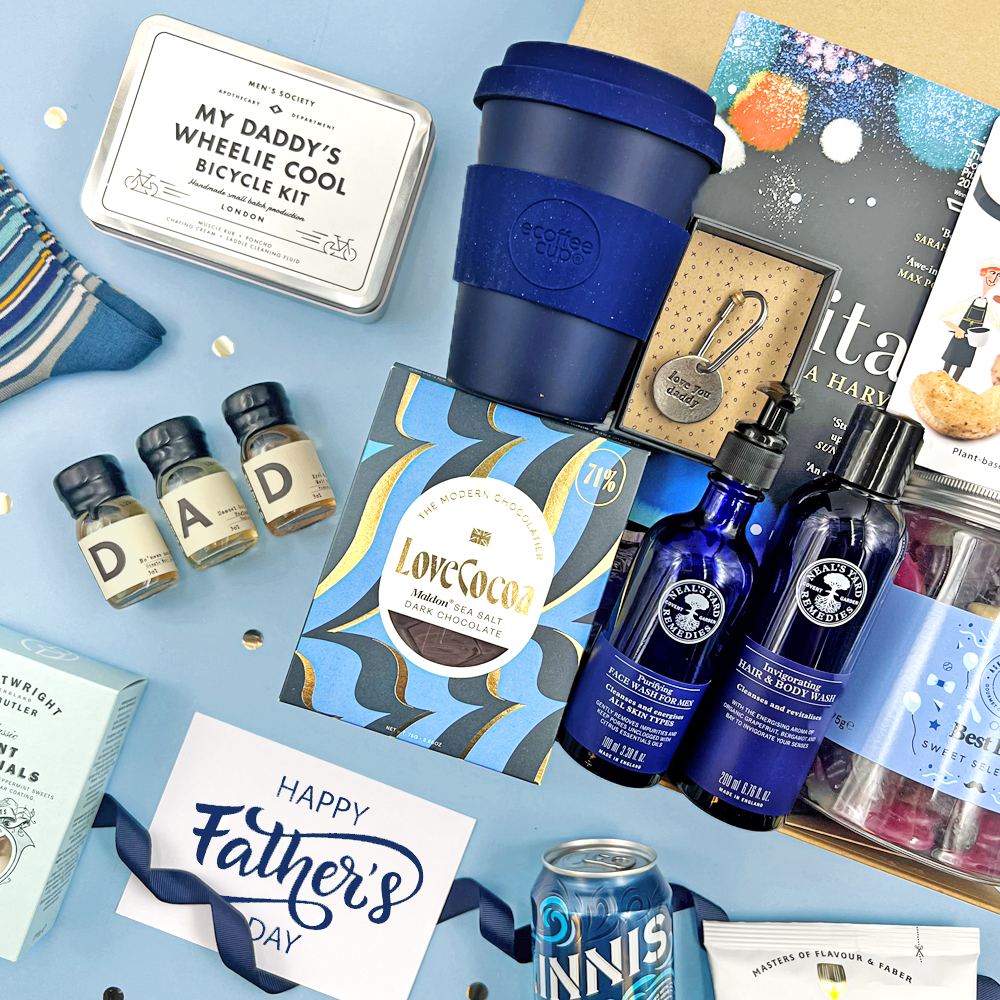
For example: "You mentioned last month how much you love the smell of rain on hot pavement (petrichor). Knowing how often you take those long walks, I thought these artisan diffuser oils would bring that specific moment of calm into your home."
This narrative transforms the purchase from a simple expenditure into an act of careful consideration. It shows effort—and effort is what signals intimacy. Do you really need to make it sound so complicated? Isn't sincerity enough? By articulating the connection, you solidify the personal element and reinforce how to ensure a gift feels personal despite being high-end.

The Power of Curated Accoutrements
The presentation itself can be an affordable way to amplify the perceived value and thoughtfulness. Use bullet points below for quick ideas:
- Handwritten Context: Write out a short paragraph detailing why you chose it, rather than just signing your name. Curating the Experience: Pair the item with something small and inexpensive that relates to its use (e.g., if gifting an expensive camera lens, include a beautifully bound guide to local photography spots). The Unwrapping Ritual: If possible, wrap it in materials that speak to the gift's purpose—natural twine for outdoor gear, or rich velvet cloth for jewelry.
Making Your Selection Count
Ultimately, giving a truly meaningful luxury item is less about acquisition and more about communication. It’s about making your recipient feel seen, understood, and celebrated. By moving past the superficial metrics of cost and focusing instead on meticulous observation, shared history, and eloquent presentation, you transform a beautiful object into an undeniable connection.
Do these strategies require endless research? Of course not! They just require attention. If you approach gifting with curiosity—the mindset that says, "Tell me more about your life"—you will always find the perfect intersection Click for info of luxury and deep personal meaning. Remember, the most extravagant piece is simply the thought itself.