Picture this: a wicker basket arrives at your door, woven with aromatic promise. Online gift delivery You lift the lid and find a miniature tea shop inside—tale after tale leaf. Welcome to the world of gourmet hampers, where tea is never an afterthought but the thoughtful centerpiece. If you have ever wondered what tea selections are in gourmet hampers, prepare for a guided tour that steers clear of supermarket staples and dives into the curated leaves that turn a simple gift into a ceremony.

The Classic Cornerstones
Every well-planned hamper anchors itself on a trio of staples: a breakfast tea for early vigor, an afternoon blend for polite conversation, and an evening herbal for bedtime calm. These teas work like a three-act play: brisk Ceylon or Assam for the opener, a mellow Darjeeling or Earl Grey for the second act, and a calming chamomile or peppermint for the finale. Gift designers rely on them because they offer the greatest chance of hitting every palate. Yet the real magic lies in how these basics are dressed up. A breakfast tea might arrive as full-leaf Keemun packed in a silk pouch, the afternoon tea could be a Second Flush Darjeeling with hints of muscatel, and the nighttime blend might be a lavender-chamomile mix that smells like a linen drawer. These teas are the comfort food of the hamper, familiar yet never dull.
Seasonal Curations
Spring hampers flirt with green teas—delicate gyokuro or a grassy Japanese sencha—while summer versions lean on iced-ready blends. Autumn baskets weave in smoky lapsang souchong or spiced chai, and winter gifts cradle black teas strong enough to stand up to shortbread. The season decides the tone, and the tone decides the taste. A hamper dispatched in December may include a Christmas blend with cloves and orange peel, whereas one sent in April might carry a first-flush Darjeeling that tastes like dew. Seasonal curations turn the hamper into a calendar you can sip.
Rare Finds
Some hampers reserve space for the collector's shelf: a 1990s pu-erh cake, a yellow tea available only in May, or a white tea budset plipped. These are the teas that make the hamper a conversation piece. They arrive like postcards from plantations, proof that the sender went beyond the supermarket shelf. A single gram of aged white tea can flavor an entire afternoon, the leaf unfolding like a slow-motion firework. Rare teas carry the thrill of discovery, the same way a first edition book does: not necessarily better, but certainly storied.
Everyday Luxuries
Not every hamper aims for the auction house. Many simply upgrade the daily cup: a Kenyan black with notes of currant, a smoky gunpowder green that smells like roasted pine, or a chamomile that tastes like apples. These teas share one trait: they taste expensive without being so. They are the teas you drink when you want to feel like a character in a novel, the sort that makes you pause between sips and wonder why you ever tolerated paper bags. Everyday luxuries are the teas that turn Wednesday into Thursday, the ordinary into the quietly extraordinary.
Pairing Principles
Tea in a hamper is never alone. Almond brittle meets oolong, shortbread finds Assam, and chocolate mousse flirts with Earl Grey. The rule is simple: lighter sweets with lighter teas, darker sweets with darker teas. A caramel truffle can amplify the malt in a Yunnan black, while a lemon tart brightens a Darjeeling. Pairing is the silent conversation between leaf and crumb, each elevating the other. The wrong pairing is like a joke told at a funeral: technically possible, but socially awkward.
Flavor Families
Teas fall into families: smoky, malty, floral, fruity, earthy. A hamper might include one from each, ensuring Visit the website the recipient can tour the world without leaving the kitchen. Smoky teas like lapsang souchong appeal to barbecue fans, floral teas like jasmine win over perfume lovers, and fruity teas like berry tisanes comfort those who avoid wine. Understanding families helps the giver curate, turning the hamper into a tasting flight. It is the difference between a library and a bookshop: one offers depth, the other breadth.
Choosing Your Brew
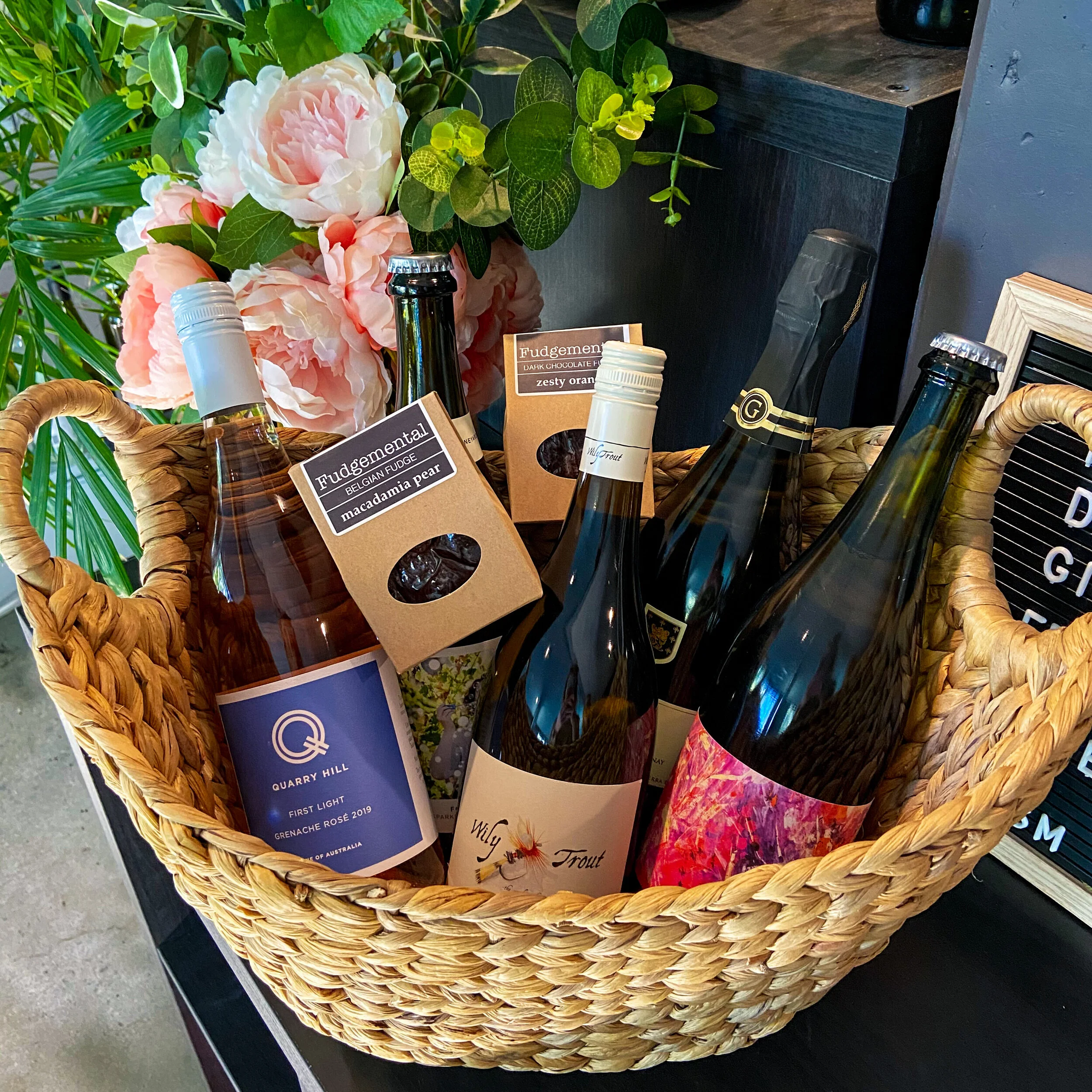
Selecting tea for a hamper is like choosing music for a dinner party: you want harmony, not noise. Consider the recipient's habits. Do they wake early and race through dawn, or do they linger over sunrise? Early risers need brisk blacks; slow starters prefer gentle greens. Age matters too: younger palates enjoy novelty, older ones appreciate tradition. Dietary restrictions hint at tisanes, while culinary curiosity suggests flavored blacks. The tea is a mirror, reflecting the drinker back at themselves. Choose wrong, and the hamper becomes a gift of obligation; choose right, and it becomes a gift of invitation.
Making Your Selection Count
At the end of the day, what tea selections are in gourmet hampers is less a checklist than a conversation. The best hampers do not simply contain tea; they contain possibility. They turn the recipient into a traveler, the kitchen into a map, and the kettle into a compass. So next time you send or receive one, pause before the basket. Lift the lid, inhale the aroma, and ask yourself: which story will I steep today?